
For our October Insights, we’re leaning into “spooky season.” And what better way to start than with a few good horror movies?
When we think about what makes a horror movie scary, we often think about the obvious things: the killer, the monster, the jump scares, or the ominous music. But there’s another element working quietly in the background—the architecture.
Architecture can play a surprisingly important role in creating fear. A long hallway can make us anticipate what’s waiting around the corner. A maze can make escape feel impossible. A seemingly ordinary home can suddenly feel like the most dangerous place in the world.
Some of the most memorable horror films use their buildings almost like characters themselves, shaping how we experience the story and creating a sense of isolation, vulnerability, and unease.
In this Insight, we’re taking a look at three iconic horror movies—The Shining, Scream, and The Amityville Horror.
The Shining
Few horror movies demonstrate the power of architecture quite like Stanley Kubrick’s The Shining. Much of the film’s unease comes not from what we see, but from where we are: the enormous, isolated Overlook Hotel.
From the moment Jack Torrance and his family arrive, the hotel feels impossibly large. The hotel’s seemingly never-ending hallways create a constant sense of anticipation. Kubrick frequently frames the corridors from a low, centered perspective, drawing our attention toward whatever might be waiting at the other end. Kubrick also uses bold geometric patterns to create an unsettling visual environment. The famous carpet and repeating wall patterns become familiar throughout the film, but instead of making the space feel comfortable, their repetition contributes to the hotel’s strange, dreamlike quality.
That same feeling extends outside the hotel. Surrounded by miles of snow and cut off from the outside world, the Overlook offers no easy escape. The famous hedge maze outside has towering walls which eliminate the ability to see what is ahead or determine where an escape might be. This claustrophobic type feeling can also be felt in the iconic “Here’s Johnny” scene where Jack has trapped his wife Wendy in a tiny bathroom. This contrast is what makes the sequence so effective. The Overlook can make its characters feel small and lost because it is so large, while also trapping them in smaller spaces.
Kubrick uses architecture at both extremes to create fear: sometimes horror comes from having too much space, and sometimes it comes from having nowhere to go.
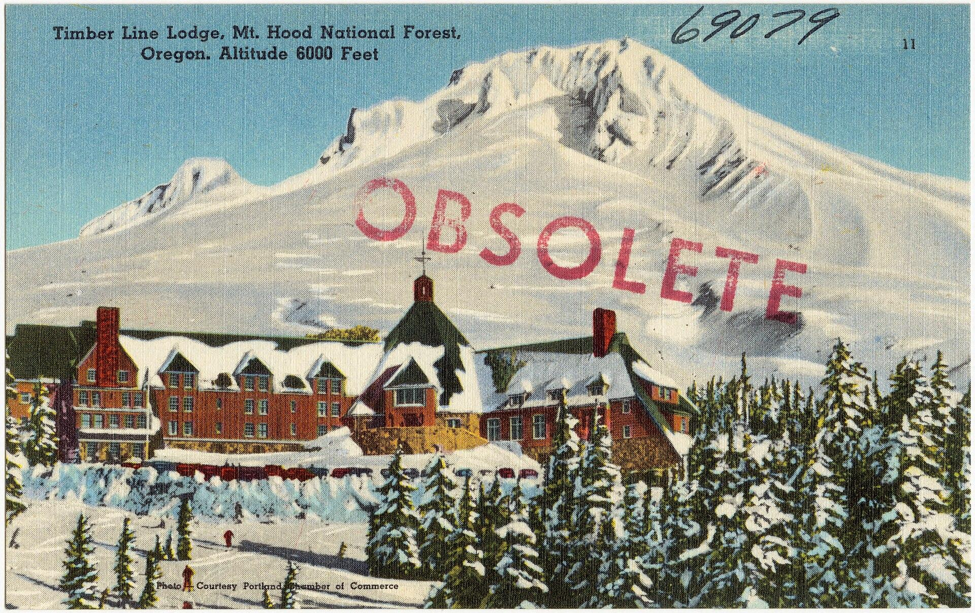
The Overlook Hotel is fictional, created by Stephen King for his novel The Shining, which Stanley Kubrick loosely adapted for the film. For the movie’s exterior shots, however, Kubrick used Oregon’s Timberline Lodge on Mount Hood, while the hotel’s interiors were recreated primarily on elaborate sets at Elstree Studios in England.
Scream
Unlike the sprawling isolation of The Shining, Wes Craven’s Scream finds much of its horror in a setting that feels much more familiar: the suburban home. Throughout the film, doors and windows become especially important. They are meant to separate us from the outside world, but in Scream, they rarely feel like effective barriers. Ghostface can appear on the other side of a window, disappear through a doorway, or use the layout of a house to move unseen. The audience is constantly aware of these openings, wondering where the killer could be and whether the characters are actually alone.
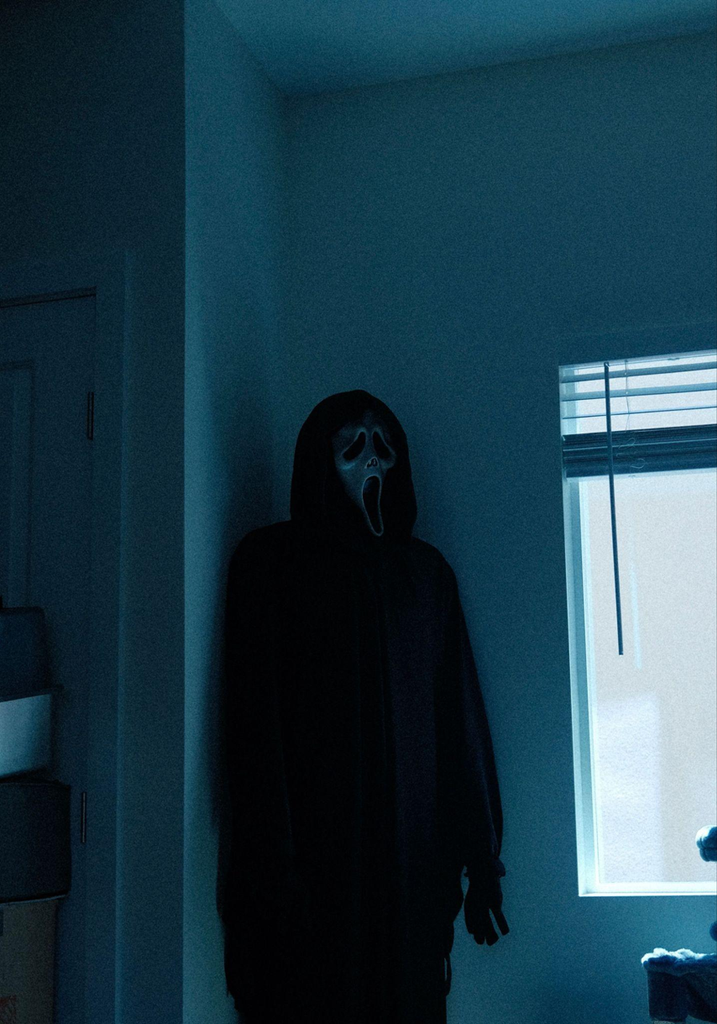
The opening sequence with Casey Becker is a perfect example. Her home is many people’s dream home with its large front porch, expansive windows, warm interiors, and an open floor plan that connects the living spaces. It looks like the kind of home designed to feel safe and welcoming, but that same openness leaves Casey vulnerable.
As the film continues in the fictional town of Woodsboro, California, other students’ homes reinforce this suburban aesthetic. The horror isn’t confined to one unusual or supposedly haunted building. It could happen in any of these homes, which makes the threat feel much closer to reality.
The film’s climax takes place at Stu Macher’s large, sprawling house during a party. Stu’s house is expansive, with multiple rooms, hallways, staircases, and entrances that allow characters to constantly move in and out of one another’s sight. With a house full of teenagers, the space initially feels lively and social, but as the party empties and the violence begins, those same architectural features become opportunities for hiding, surprise, and escape.
That transformation is what makes the setting so effective. The houses themselves have not changed, but our perception of them has.
Most of Scream was filmed at real houses throughout California, which makes the film feel so real. These aren’t exaggerated movie houses with obviously sinister architecture. They’re recognizable homes in recognizable neighborhoods. Scream takes the spaces we associate with everyday suburban life and shows how quickly they can become threatening when the people inside them are no longer safe.
The Amityville Horror
For many people, the idea of owning a home represents the American dream. That idea is at the heart of Stuart Rosenberg’s The Amityville Horror, which begins with newlyweds George and Kathy Lutz purchasing what they believe is their dream home at an unusually low price. Built in the Dutch Colonial Revival style, its distinctive gambrel roof, symmetrical facade, and rows of windows give it the appearance of a classic American family home.
It’s large, traditional, and it’s the kind of house that seems to promise comfort and security for their family. As the story unfolds, however, those same qualities begin to feel threatening. The home that was supposed to provide protection becomes the source of their fear. The house isn’t simply where the horror happens. The house is the horror.
The Amityville Horror was based on the Lutz family’s alleged experiences after moving into the house at 112 Ocean Avenue in Amityville, New York. The family claimed that their home was haunted, and while many aspects of the story have been disputed over the years, the story became one of the most famous alleged haunted-house cases in popular culture.
The film’s version of the house also has a distinctive architectural feature that helped make it instantly recognizable: the two quarter-circle windows beneath the gambrel roof. Positioned side by side, the windows give the facade an almost face-like appearance, making the house seem as though it has a pair of eyes watching from above.
Director Stuart Rosenberg reinforces that impression through the way he films the house. Many of the exterior shots are filmed from a low angle, making the house tower over the characters and giving the impression that it is literally looking down on them.
That visual treatment helped turn the house into one of the most recognizable images in horror. Because of the tragedy and intense media attention surrounding the property, the filmmakers were unable to film at the actual Amityville house. Instead, they found a home in Toms River, New Jersey, and modified its appearance to resemble the movie’s version of the Amityville house.
The Toms River home eventually became recognizable in its own right, attracting movie enthusiasts who wanted to see the house from the film. To discourage visitors, the homeowners later altered the exterior, including replacing the distinctive quarter-circle windows with more conventional ones.
To view more images of both the original house and the house it was filmed in, click here: The Amityville Horror House: Everything You Need to Know | Architectural Digest
And, not to sound like Ghostface, but… what’s your favorite scary movie?
References: