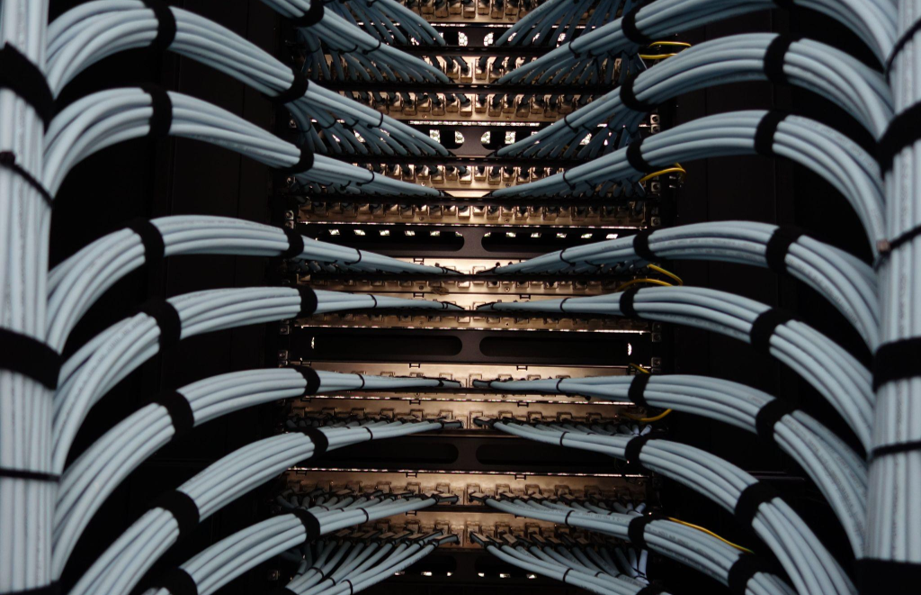
Data centers are becoming a common part of everyday conversations about technology and infrastructure, making them a unique building type. However, the rapid expansion of data centers has created challenges. Some of the most common issues associated with data centers are discussed below.
Massive Power Demands
Data centers consume enormous amounts of electricity. The World Resource Institute reports that “A single modern AI data center can use as much power as 100,000 homes; many of the larger ones now being built are expected to consume up to 20 times that amount.”
The rapid growth of data centers is putting strain on the power grid, requiring utilities to make costly improvements. In many cases, those expenses are ultimately reflected in higher monthly utility bills for customers. The Environmental and Energy Study Institute reported that in the first half of 2025, utility rates saw a $29 billion increase, affecting 40 million customers nationwide. Costs are expected to continue to rise.
Water Usage Concerns
Data centers generate large amounts of heat, requiring substantial quantities of water for cooling. In areas already experiencing water shortages, this increased demand can create concerns about resource availability.
Texas is a state experiencing significant water shortages due to increased population, droughts, and agricultural demands. Texas is also home to more than 400 data centers, with many more planned or under construction. According to the Houston Advanced Research Center, Texas data centers are consuming an estimated 25 billion gallons of water per year, and this number is expected to increase dramatically in the next five years.
Community Opposition
There are other environmental issues. Large cooling systems, ventilation equipment, and backup generators can generate continuous noise, while exterior lighting used for security and operations may contribute to light pollution. As data center development expands into suburban areas, communities have increasingly raised concerns about the quality-of-life impact and changes to local character.
In some cases, these concerns have led to organized opposition to proposed projects. For example, the Nashville Zoo in Nashville, Tennessee has created a petition to stop a proposed data center from being built nearby. The zoo states that the data center, proposed to be nearly 70,000 sq and operating 24/7, would cause serious harm to the 3,000 animals they house. According to the zoo, the noise and lights from the data center would affect the health of the animals. Currently, there are over 500,000 signatures on the petition created by the zoo.
In 2026, plans for a large data center development in Box Elder County became a contentious issue in Utah politics. Spearheaded by Shark Tank investor Kevin O’Leary, the project was proposed to span approximately 40,000 acres, which is nearly three times the size of Manhattan. It is estimated to cost up to $100 billion dollars to construct and would become the world’s largest data center. Supporters have argued it could bring significant economic growth and technological investment to the region, while opponents have raised concerns about its enormous land footprint, water consumption, energy demands, and potential impacts on rural communities. Utah Senate President Stuart Adams lost his Republican primary after facing criticism for his support of the project. According to reporting on the election, Adams became the first sitting Utah Senate president to lose a primary election in modern Utah history.
Air Pollution
Many data centers rely on diesel-powered backup generators to maintain operations during power outages and to support routine testing and maintenance activities. These generators can emit pollutants such as nitrogen oxides (NOx), particulate matter, and carbon dioxide, which may affect local air quality. According to the Environmental Health Project, these pollutants can increase rates of respiratory and cardiovascular conditions, and also elevate cancer risks.
Local and state officials can address these concerns by incorporating energy and emissions considerations into permitting and planning processes, requiring developers to disclose their on-site power strategies, and assessing cleaner energy alternatives during project reviews. An example of an alternative option would be using battery energy storage systems instead of diesel generators.
Building More Sustainable and Resilient Data Centers
While data centers present unique engineering and environmental challenges, many of these risks can be reduced through thoughtful design, proper construction practices, and proactive maintenance. Incorporating energy-efficient technologies, minimizing water consumption, evaluating cleaner backup power options, and implementing quality assurance measures can help improve both sustainability and reliability.
One of the most innovative sustainability initiatives in the data center industry was Microsoft’s Project Natick, an experimental underwater data center program designed to improve energy efficiency and reduce environmental impact. In 2020, Microsoft deployed a cylindrical data center containing 864 servers to the seafloor off Scotland’s Orkney Islands, where it remained submerged for approximately two years. The facility was powered by renewable energy generated from local wind and solar installations, as well as tidal and wave energy available through the European Marine Energy Centre. When the capsule was retrieved in 2022, researchers found that the underwater environment resulted in a server failure rate approximately one-eighth that of comparable land-based data centers. Microsoft attributed this improvement to the sealed, oxygen-free environment, which minimized corrosion and reduced temperature fluctuations.
Although Microsoft has since concluded Project Natick and has not announced plans to commercialize underwater data centers, the project demonstrated the potential for alternative data center designs that reduce cooling requirements and improve hardware reliability.
Amazon Web Services (AWS), the world’s largest cloud computing provider, has also invested heavily in improving the sustainability of its data centers. Because AWS operates at such a large scale, its data centers can achieve higher server utilization and greater energy efficiency than many traditional on-premises data centers.
In its newest data center developments, AWS is incorporating a hybrid cooling system that combines traditional air cooling with direct-to-chip liquid cooling. This approach is designed to support increasingly powerful AI processors while improving energy efficiency and maintaining reliable performance for networking and storage infrastructure.
To learn more about other sustainable data centers, click here.
As data center designs and development continue to move forward, an increased focus on sustainability and resiliency will be essential to support long-term operational success and community acceptance.
References:
- “From Energy Use to Air QuaFrom Energy Use to Air Quality, the Many Ways Data Centers Affect US Communities” World Resources Institute. Accessed June 24, 2026. 7 Ways Data Centers Affect US Communities | World Resources Institute
- “Data Center Power Demands Are Contributing to Higher Energy Bills” Environmental and Energy Study Institute. Accessed June 24, 2026. Data Center Power Demands Are Contributing to Higher Energy Bills | Article | EESI
- “Thirsty Data: The Hidden Water and Energy Costs of Texas’ Data Center Boom” HARC. Accessed on June 24, 2026. Thirsty Data: The Hidden Water and Energy Costs of Texas’ Data Center Boom – Houston Advanced Research Center : Houston Advanced Research Center
- “Proposed Data Center Near Nashville Zoo Sparks Heavy Pushback” CBS News. Accessed on June 24, 2026. Proposed data center near Nashville Zoo sparks heavy pushback – CBS News
- “The Dangers of Data Centers” Environmental Health Project. Accessed on June 24, 2026. The Dangers of Data Centers
- “One Utah County’s Fight Over a $100 Billion Data Center – And Wha it Means For All Of Us.” Forbes. Accessed on July 9, 2026. One Utah County’s Fight Over A $100 Billion Data Center — And What It Means For All Of Us
- “How is AWS Making Data Centres More Sustainable?” Sustainability Magazine. Accessed on July 9, 2026. How is AWS Making Data Centres More Sustainable? | Sustainability Magazine